
Quelling the Fire: The Clinical Efficacy of Vitamin E in Rheumatoid Arthritis
An evidence-based review of a promising intervention.
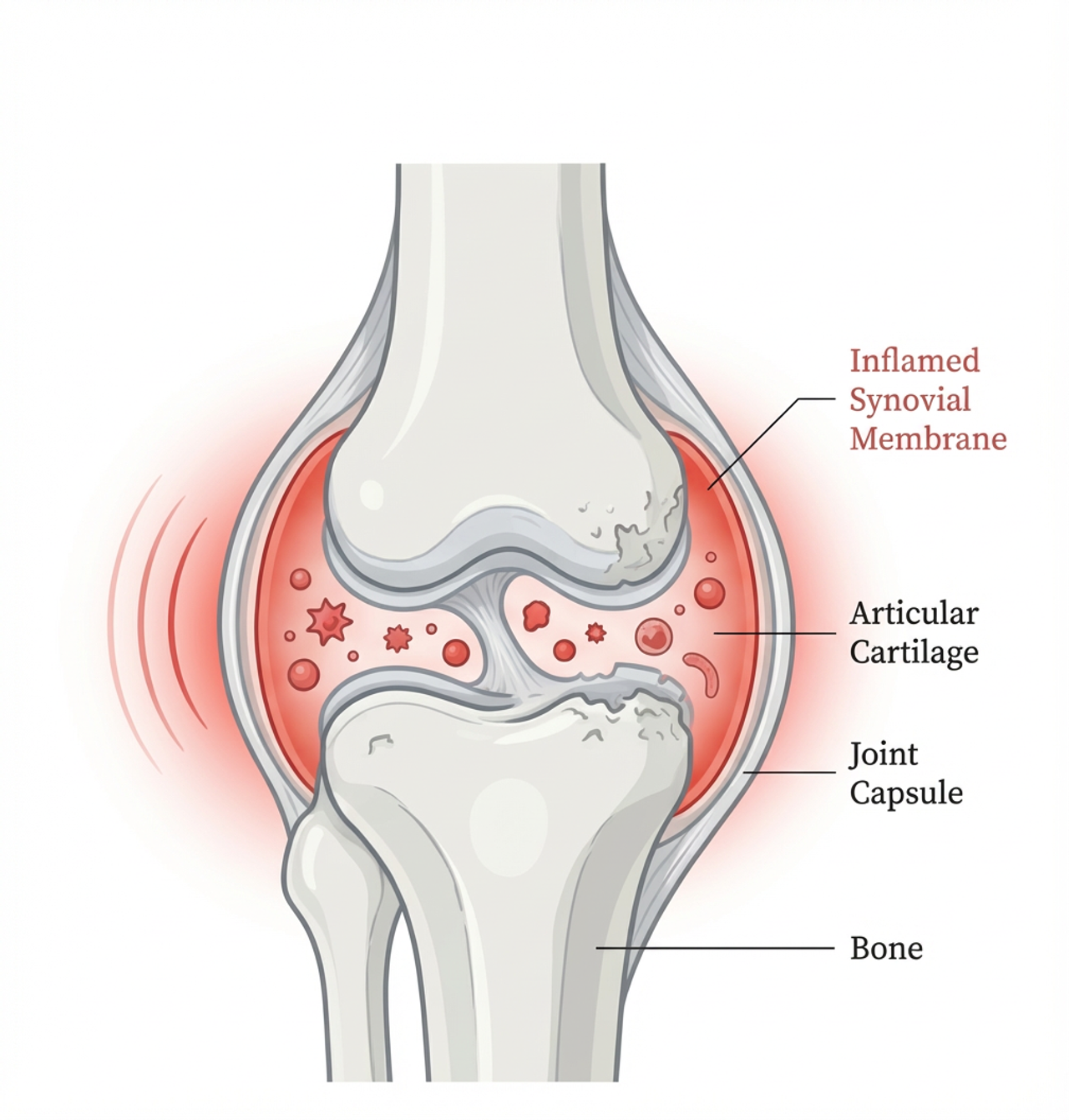
The Chronic Challenge of Rheumatoid Arthritis
Rheumatoid Arthritis (RA) is an autoimmune disorder characterized by persistent systemic inflammation. For patients, this translates into a daily reality of:


A Potential Ally Against Inflammation
A clinical trial was conducted to evaluate the efficacy of Vitamin E as a therapeutic agent for RA.
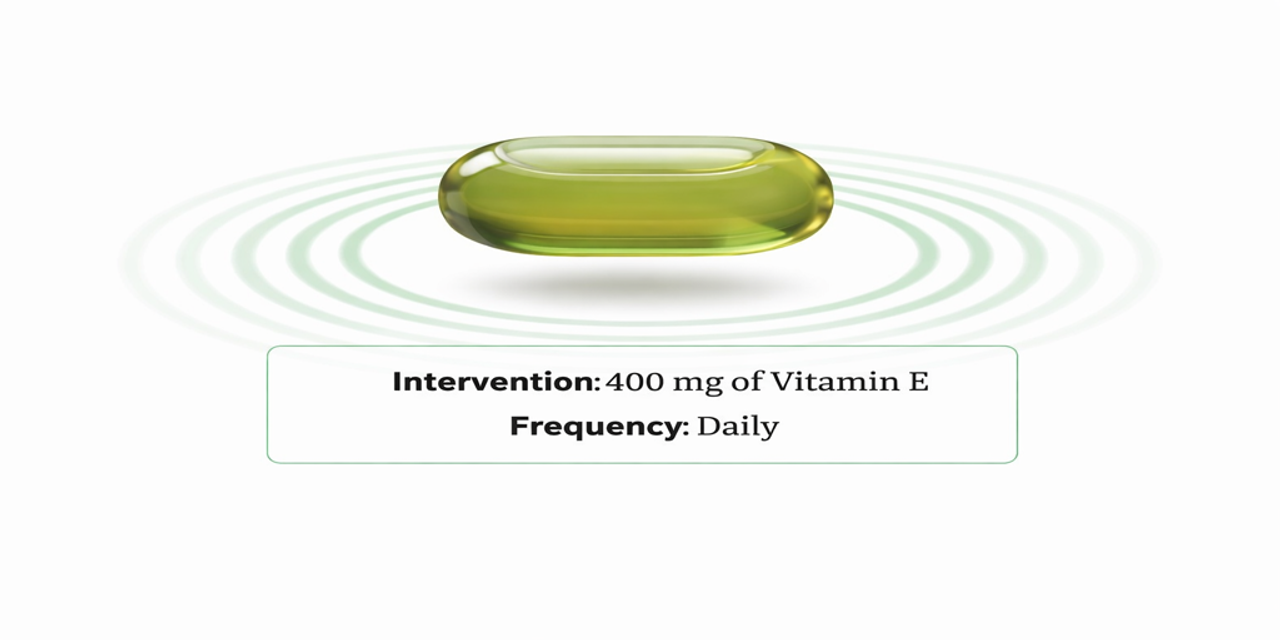
The Intervention Delivered Significant Symptomatic Relief
Patients receiving Vitamin E experienced dramatic improvements in the primary physical symptoms of RA.
 76% Improvement In tender joints
 62% Improvement In painful joints
 61% Improvement In swollen joints
Biological Markers Confirm a Deep Anti-Inflammatory Effect
The physical improvements were mirrored by a significant reduction in key blood markers for systemic inflammation.

In C-Reactive Protein (CRP), a primary marker for acute inflammation.

In Erythrocyte Sedimentation Rate (ESR), indicating a decrease in chronic inflammation.
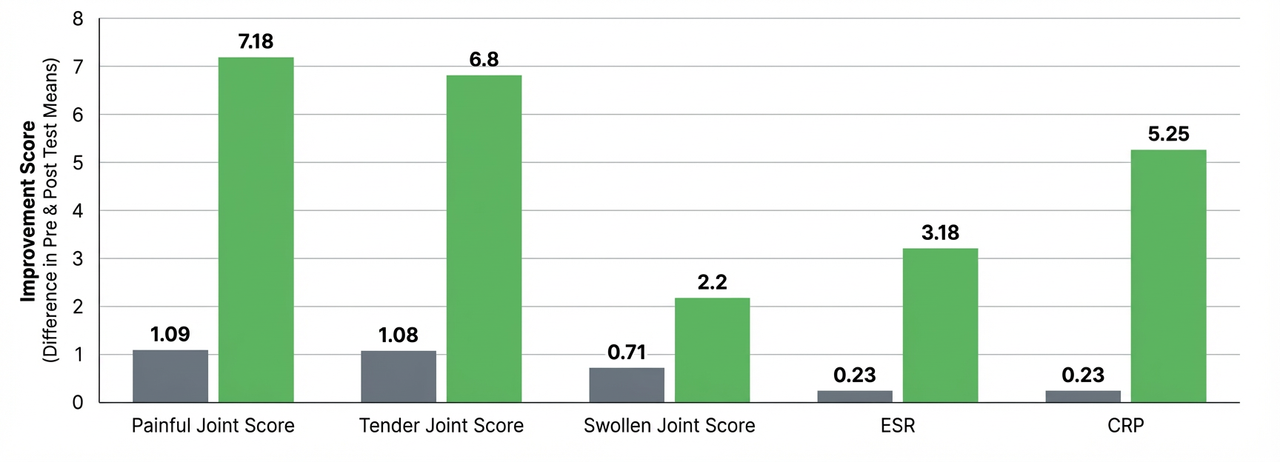
Vitamin E Outperforms the Control Group Across All Metrics
A direct comparison of the improvement scores between the Vitamin E and control groups reveals the intervention’s overwhelming efficacy. The chart shows the mean difference in scores before and after the test period.
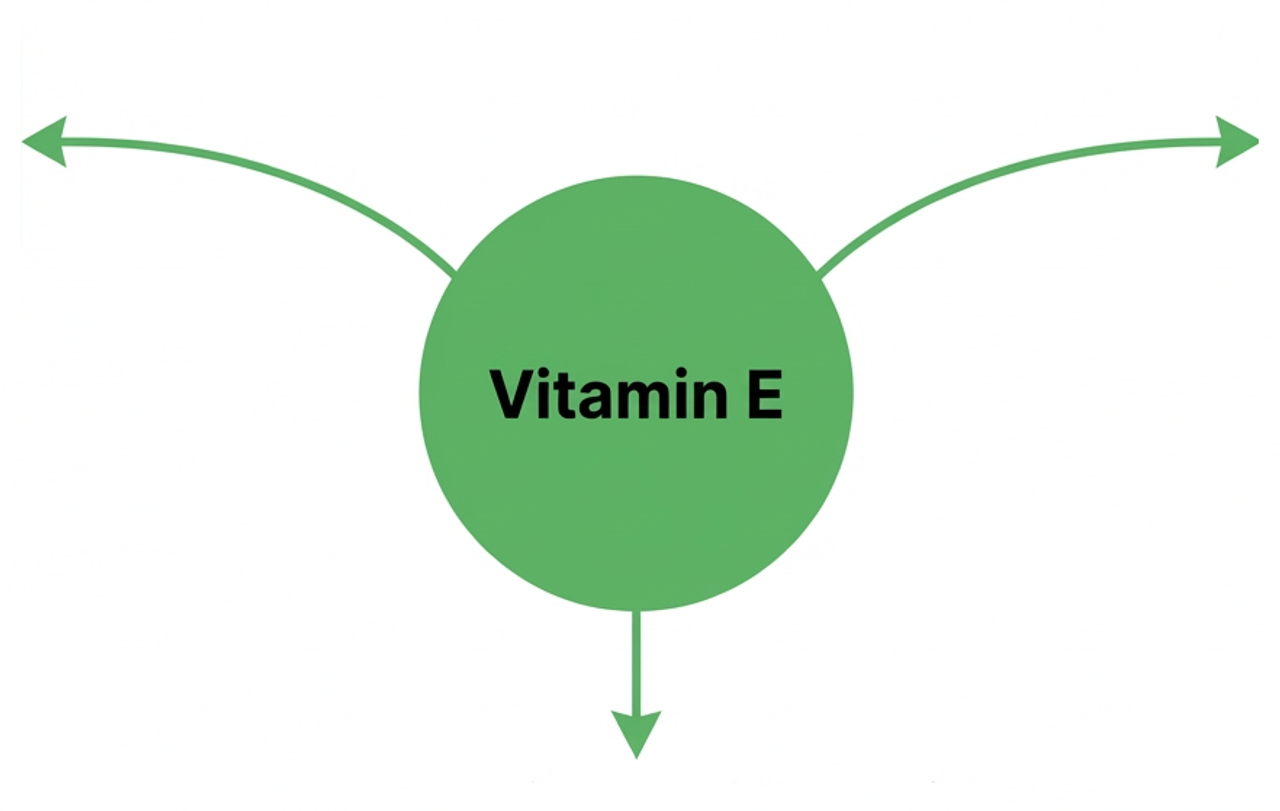
Unpacking the Mechanism: How Vitamin E Works
The clinical results are underpinned by Vitamin E’s multifaceted biological activity. Its efficacy stems from three primary pathways that directly counteract the pathology of Rheumatoid Arthritis.
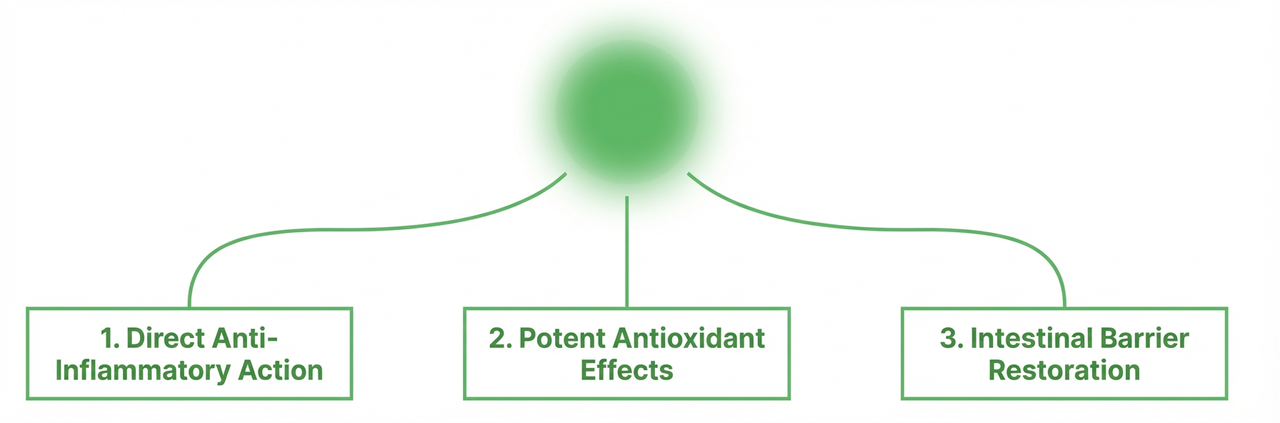
A Three-Pronged Approach to Calming Inflammation